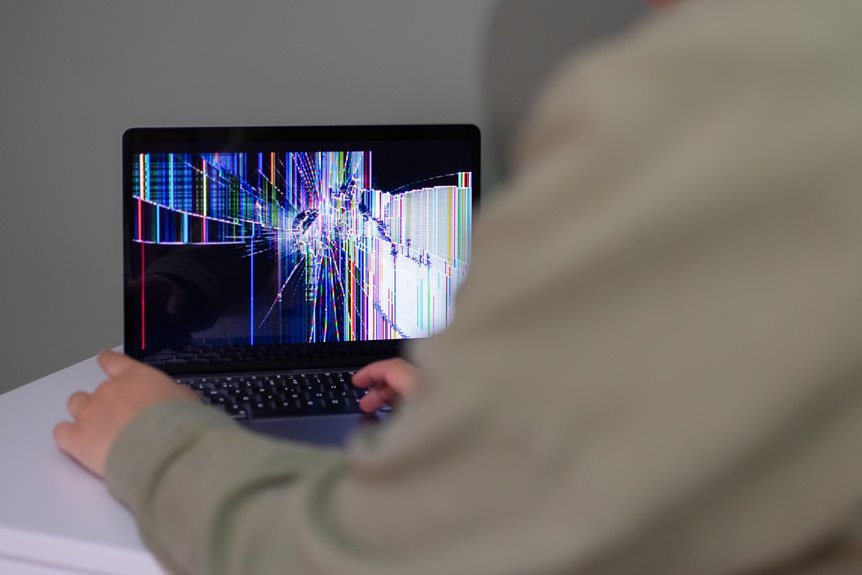
When problems arise with 9253719955, start with a precise triage to confirm symptoms and reproduce the failure where possible. Gather observable data from logs, meters, or error codes, then form evidence-based hypotheses. Begin safe, quick DIY fixes such as resetting settings, reseating cables, or applying firmware updates, and monitor results. Maintain timestamped steps and clear escalation criteria to enable continuous improvement, and stay focused on reproducible checks. The pattern is practical, but the next step invites a structured follow-up.
How to Identify the Exact Problem Quickly
To identify the exact problem quickly, the approach begins with a structured triage: confirm the symptom, reproduce it if possible, and collect observable data from logs, meters, or error codes.
Systematically, the assessment catalogues problem patterns and diagnostic signals, linking symptoms to probable causes.
This evidence-based method yields focused hypotheses, guiding efficient verification and informed, freedom-enhancing remediation decisions.
Quick DIY Fixes That Don’t Require a Pro
When the prior triage confirms a manageable issue, practical DIY fixes can resolve many problems without professional help.
Quick checks: reset settings, reseat cables, and update firmware; observe symptom changes to guide quick fixes.
Document steps for future reference.
DIY diagnosing relies on careful observation, repeatable tests, and conservative adjustments, minimizing risk while preserving autonomy and confidence.
Smart Questions to Diagnose Root Causes
Smart questions guide practitioners toward the root causes of problems, focusing on observable facts and verifiable changes rather than assumptions. The approach emphasizes structured inquiry, documenting steps, timestamps, and outcomes. Analysts compare patterns to identify identity gaps and minimize data noise, validating hypotheses with reproducible checks. Clear criteria for evidence and peer review ensure disciplined, autonomous resolution without premature conclusions.
How to Prevent Future Issues and Know When to Escalate
How can teams reduce recurrence and determine the appropriate point of escalation? Established monitoring predicts issues before impact, enabling rapid containment. Documented thresholds guide escalation when data integrity or identity drift signals elevated risk. Regular audits verify controls, while root-cause reviews close loops. Clear escalation criteria empower informed decisions, preserving freedom to adapt, learn, and prevent future problems without repetition.
Frequently Asked Questions
What Are Common Symptoms I Should Not Ignore?
Common symptoms include persistent performance issues, unusual noises, overheating, frequent crashes, or error messages. These indicators warrant immediate help; delaying may worsen outcomes. The detached observer notes: assess logs, run diagnostics, and seek expert assistance promptly for safety and reliability.
Which Warning Signs Require Immediate Professional Help?
Warning signs requiring immediate help include fragile parts, abrupt failures, or data loss; testing methods confirm risk, and professional intervention protects data. Immediate help is warranted when symptoms persist, while troubleshooting tips should be paused until experts assess.
How Can I Protect My Data During Troubleshooting?
Data security is prioritized during troubleshooting; one should minimize data exposure, back up essential information, and restrict access. Troubleshooting ethics demand documented steps, consented actions, and verifiable results, enabling informed decisions while preserving freedom and safeguarding sensitive data.
Are There Safe Testing Methods for Fragile Parts?
Carefully, the answer asserts: safe testing methods exist for fragile parts, though irony hints otherwise. The approach is evidence-based: minimize load, use noncontact diagnostics, controlled environments, and gradual steps; document results to balance freedom with caution.
What Warranty or Return Options Apply After Fixes?
Warranty options vary by vendor and service plan, but typically include limited repairs, replacements, or refunds within defined periods. Return policies may require proof of fix, restocking fees, and conformity checks before authorization, documenting eligibility and exclusion criteria.
Conclusion
In the quiet arithmetic of fault and fix, the system’s story echoes the old shipwright’s log—each symptom a measured tide, each test a precise compass bearing. The method remains steadfast: observe, reproduce, document, and test minimal changes. When patterns emerge, escalation is warranted, as sure as currents answer the chart. Like a seasoned navigator, the practitioner moves with restraint, guiding the fault toward clarity while the data illuminate the path home.
